52
tracked
1184
+21 today
10
trending
N-Day-Bench – Can LLMs find real vulnerabilities in real codebases?
 NEWProducts & Releases
N-Day-Bench – Can LLMs find real vulnerabilities in real codebases?
HackerNews
 NEWLLMs
The looming college-enrollment death spiral
HackerNews
 NEWProducts & Releases
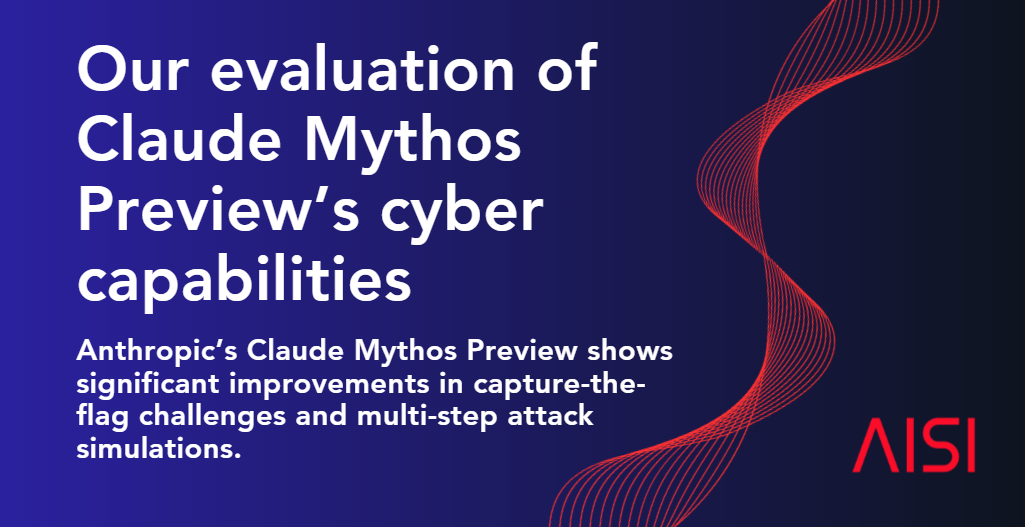
Evaluation of Claude Mythos Preview's cyber capabilities
HackerNews
 Products & Releases
Claude Mythos: The System Card
HackerNews
N-Day-Bench – Can LLMs find real vulnerabilities in real codebases?
N-Day-Bench tests whether frontier LLMs can find known security vulnerabilities in real repository code. Each month it pulls fresh cases from GitHub security advisories, checks out the repo at the last commit before the patch, and gives models a sandboxed bash shell to explore the codebase.<p>Static vulnerability discovery benchmarks become outdated quickly. Cases leak into training data, and scores start measuring memorization. The monthly refresh keeps the test set ahead of contamination — or at least makes the contamination window honest.<p>Each case runs three agents: a Curator reads the advisory and builds an answer key, a Finder (the model under test) gets 24 shell steps to explore the code and write a structured report, and a Judge scores the blinded submission. The Finder never sees the patch. It starts from sink hints and must trace the bug through actual code.<p>Only repos with 10k+ stars qualify. A diversity pass prevents any single repo from dominating the set. Ambiguous advisories (merge commits, multi-repo references, unresolvable refs) are dropped.<p>Currently evaluating GPT-5.4, Claude Opus 4.6, Gemini 3.1 Pro, GLM-5.1, and Kimi K2.5. All traces are public.<p>Methodology: <a href="https://ndaybench.winfunc.com/methodology">https://ndaybench.winfunc.com/methodology</a><p>Live Leaderboard: <a href="https://ndaybench.winfunc.com/leaderboard">https://ndaybench.winfunc.com/leaderboard</a><p>Live Traces: <a href="https://ndaybench.winfunc.com/traces">https://ndaybench.winfunc.com/traces</a>
The looming college-enrollment death spiral
The looming college-enrollment death spiral
Evaluation of Claude Mythos Preview's cyber capabilities
Evaluation of Claude Mythos Preview's cyber capabilities
Claude Mythos: The System Card
Claude Mythos: The System Card

Claude.ai down
Claude.ai down

Anthropic loses appeals court bid to pause supply chain risk label
Anthropic loses appeals court bid to pause supply chain risk label

How We Broke Top AI Agent Benchmarks: And What Comes Next
How We Broke Top AI Agent Benchmarks: And What Comes Next

Cirrus Labs to join OpenAI shut down Circus CI on Monday, June 1, 2026
Cirrus Labs to join OpenAI shut down Circus CI on Monday, June 1, 2026
Find a free AI tool
Discover a tool with a free tier that fits your workflow.
Level 1 Explorer
0 XP total
0/100 XP to next level
First Steps
Explorer
Analyst
Get Personalized Recommendations
Sign in to bookmark tools, save articles, and get AI tool recommendations tailored to your needs.